



Decorating with antiques can give soul to your home and make it feel unique — but the key is to do it thoughtfully so your space stays fresh, modern and welcoming.
Antiques don’t need to fill every corner of a room. A few well-chosen pieces here and there can add character, history and individuality without overwhelming the design.
Antiques and vintage finds carry stories — where you found them, how you acquired them, the memories and craftsmanship they hold. It's much the same as great contemporary design. So why not have both?
In this guide I share practical ideas and real examples of how people have successfully integrated antiques into contemporary interiors — from living rooms and bedrooms to kitchens, staircases and even bathrooms.
Antiques instantly add warmth, texture and individuality to modern interiors. When placed with intention, they can act as focal points, conversation pieces, or quietly layered accents that balance clean lines and minimalist materials. As a designer I often recommend integrating antiques with modern pieces so the overall space feels balanced and curated — not dusty or dated.
The sitting room
Antiques give the sitting room an elegant, lived-in feel. In a bright and colourful space, an antique console table can stand out beautifully and become a practical drinks station or display surface.

-1-
In a lighter, neutral living room, antique chairs with barley twist legs paired with a simple modern coffee table can add richness without clutter. Mixing old and new in the living room helps ground contemporary furniture with visual depth and personality.
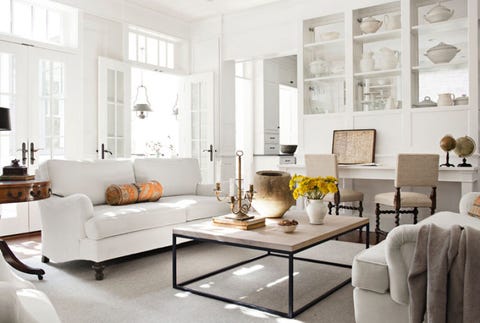
-2-
The bedroom
The bedroom is an ideal space to combine antiques with soft, modern textiles. For example:
An antique lacquered Japanese screen can act as a striking focal point and inform your colour palette.

-3-
In a room with mostly antique furniture, creating space around each piece lets the design breathe and prevents things from feeling too traditional.The bedroom here is still light and airy although the components of the décor are mostly antiques. An antique iron bed shares the space with an old clock and old mirror and table making it more traditional than the previous bedroom. 
The staircase
The staircase is often an overlooked design opportunity. An antique terracotta pot or small table can bring contrast to a modern staircase’s geometry.

-5-
This staircase in contrast is very busy with steps stenciled to imitate tile design but Similarly, mixing old and new on a staircase gallery wall, such as pairing vintage frames with modern ones, creates visual interest without clutter

-6-
The kitchen
The kitchen is one of the most lived-in spaces of the home, so it’s a natural place to layer in antique or vintage finds. A simple antique dining bench can add warmth, while grouping interesting pieces — like metal trays displayed on a wall — creates character without overwhelming the space.

-7-
The trick here is not to overcrowd the kitchen design but to use antiques to complement sleek cabinetry and modern appliances. .

The bathroom
Bathrooms aren’t traditionally associated with antiques, but today they’re becoming more design-driven spaces. An old distressed fireplace or vintage cabinet can create a striking focal point. Pairing a dresser base with a contemporary basin can form a distinctive vanity : marrying old charm with modern functionality.

-9-

-10-
Frequently Asked Questions About Decorating with Antiques
Q: Will antiques make my home look old-fashioned?
A: Not if you balance them with contemporary pieces, light colours, and simple lines. The contrast actually makes rooms feel curated and intentional rather than dated.
Q: How many antiques should I use in a room?
A: A few key pieces — enough to add character without dominating the space. Think of them as accents rather than the whole story.
Q: Can antiques work in minimalist interiors?
A: Yes — choose items with clean shapes, subdued colours or interesting textures. These elements introduce warmth and personality without clutter.
My 3 top tips
🌸Let pieces breathe — avoid clutter by spacing antiques thoughtfully. It's better to start small if unsure — antique accessories, lighting, or art can be easier to integrate than large furniture at first.
🌸 Use colour to unify — choose a dominant palette (e.g., neutrals or pastels) to tie all elements together.
🌸Layer textures and materials — soft textiles, natural fibres and modern surfaces enrich antique wood and metal.
Whether you’re drawn to antiques for their history, craftsmanship, or the stories they carry, integrating them into a contemporary home can elevate your interior and make it feel deeply personal. Thoughtful placement, balanced styling and selective pairing with modern elements will help you create spaces that feel timeless, curated and beautifully lived-in.
Visit our antique section on my website for unique and fun finds
Credits:
main images Natalia willmott 1. Jessica Buckley Interiors 2.White interior 3.Jessica Buckley Interiors 4. Shabby Chic Bedroom by South East Photographers Bruce Hemming Photography 5. Contemporary Staircase by South East Architects & Building Designers AR Design Studio Ltd 6. Pintrest 7. Contemporary Dining Room by London Interior Designers & Decorators APD Interiors 8. dishfunctionaldesigns.blogspot.co.uk 9. Shabby Chic Bathroom by South East Photographers Bruce Hemming Photography 10. bhg.com